Our Story
From vision to operation.
How a 2017 feasibility study became Search and Rescue Aerial Association – Scotland (SARAA-Scotland), the country's dedicated drone search and rescue capability.
Research & content
Bob SharpThe historical research and data on this page was compiled by Bob Sharp, drawing on interviews, operational records, and first-hand accounts from SARAA-Scotland's founding members.
Origins
Why SARAA was formed
Scottish mountain rescue teams needed a coordinated approach to drone operations—with shared standards, training, and regulatory compliance. Without a central body, each team would duplicate effort, face inconsistent procedures, and struggle with CAA requirements individually.
Aviation expertise
SARAA-Scotland brought together individuals with an aviation background who could interpret and understand aviation law, ensuring any updates for pilots were conveyed accordingly.
CAA compliance support
SARAA-Scotland supported individual teams wanting to establish themselves as drone operators in line with CAA guidance and the Air Navigation Order.
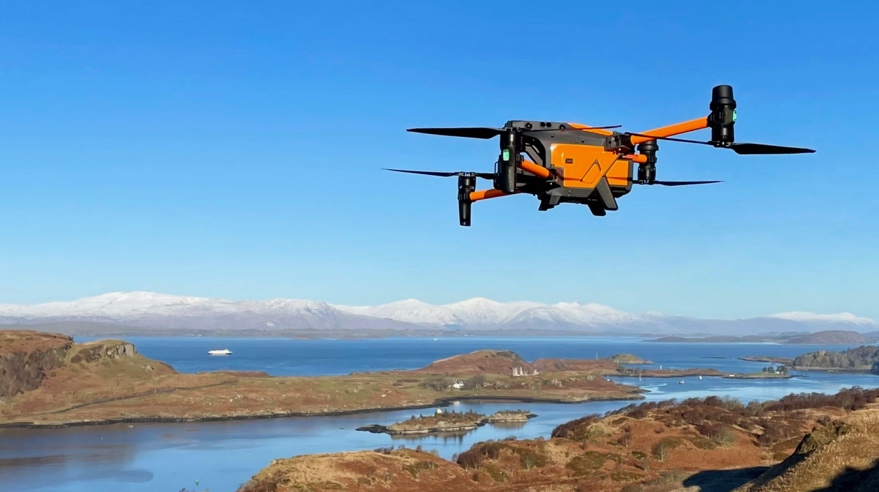
Shared learning
With groups of pilots flying in different environments with differing risks, learning could be shared at a much quicker pace than if each individual team were doing its own thing.
Interoperability
At incidents, when pilots meet and work together, common terminology and procedures ensure searches are more efficient and understanding is clearer. Without this coordination, operational work would be disjointed with limited interoperability.
Timeline
Key milestones
Feasibility study commissioned
Scottish Mountain Rescue organised a feasibility study into the use of "Small Unmanned Aircraft in Land Search and Rescue". The study examined how drones could enhance search operations across Scotland's challenging terrain.
SARAA-Scotland founded
A core recommendation of the study was that a new organisation be established to facilitate governance, training, and operational development of drone use in land search and rescue operations across Scotland.
Arrochar Alps training weekend
In August, members met for a landmark two-day training weekend in the Arrochar Alps. Pilots from all over Scotland attended alongside RAF Leeming MRS drone team and Edinburgh Drone Company. The main aim was hands-on experience and flying as many search areas as possible to help validate search techniques.
Operational capability proven
With 20 qualified pilots and 21 drones across nine Scottish mountain rescue teams, the capability became better understood. The year saw 15 drone-specific callouts—dedicated requests from Police Scotland or teams without capability—with pilots flying 232 recorded hours across over 900 flights.
Expanded operations
By the end of 2025, there were 25 active pilots with 7 under training. SARAA-Scotland operated 9 drones, with some individual MR teams also having their own. The year saw support for 37 callouts with distinct drone use, amounting to 614 hours of volunteer time spanning from Stornoway to Stranraer to Yetholm.
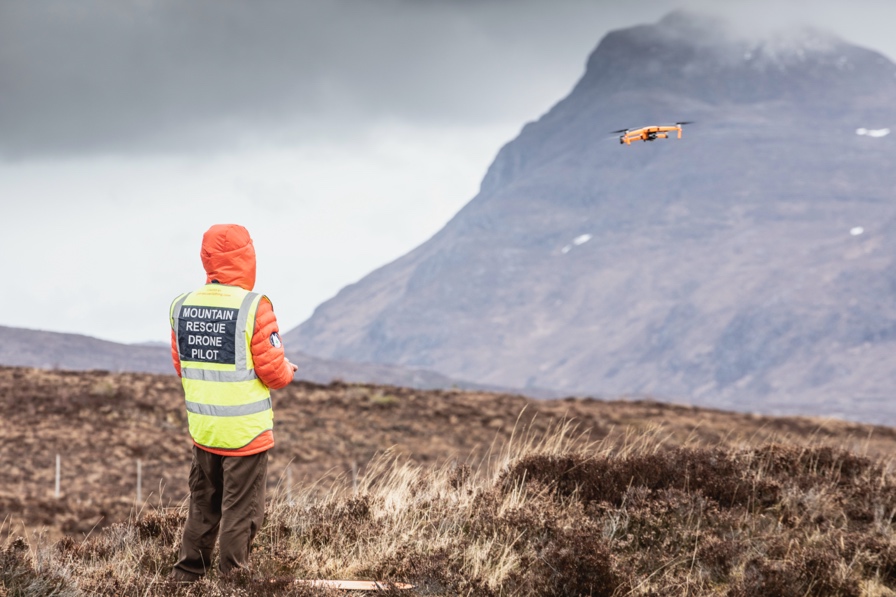
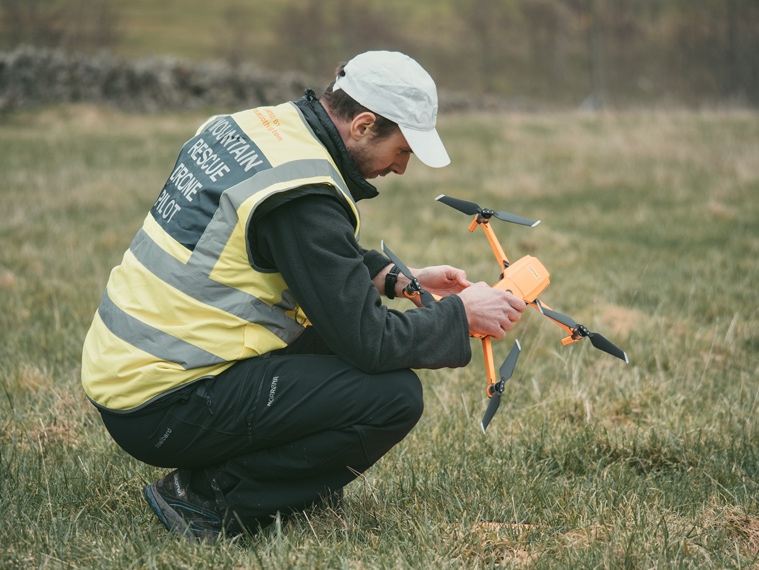
Voices
From those who built it
“Bringing drones into operational service has not been without challenge. However, by establishing an aviation mindset and understanding, we have been able to ensure as much operational flexibility as possible whilst retaining the safety and procedural approach required of us by the CAA. Whether being used for a search or in a risk reducing role such as floodlighting a technical rope rescue site at night, drones provide our search and incident managers a view that has previously only been achievable with a hugely expensive, and scarce, helicopter asset.”
Tom NashFormer SARAA-Scotland Team Leader, ex-RAF Tornado GR4 Navigator. Tom was involved from the very start of the project.
“The ability to utilise SARAA pilots as a resource into search and incident management has opened up the potential to search large areas quickly when other resources cannot operate, or when an eye in the sky might assist with providing instant situational awareness from search managers and hill leaders. We can also support other emergency services with limited access to drone technology such as providing overview to hill fires for the Scottish Fire and Rescue Service. Search and incident managers now have another valuable resource in their toolbox.”
Kev MitchellFormer Vice Chair, Scottish Mountain Rescue
Technical issues
Challenges overcome
Tom Nash made several important observations about the technical limitations pilots had to work within:
Terrain elevation
The biggest limitation with commercial off-the-shelf equipment was the lack of ability to fly a set height above the ground for autonomous missions because there was no digital terrain elevation database built into the software. Aircraft did everything based on height above take-off, so if a search height of 30 metres was set and the hill rose to 40 metres within the search boundary, at some point it would fly into it. This was being addressed by manufacturers but not quickly enough.
Wind limitations
Because of power limitations within an aircraft, they could not really be operated in winds above 25 knots. Each drone had different limits, requiring pilots to carefully assess conditions before flight.
Temperature effects
Flight time was significantly affected as the aircraft's batteries became colder. Furthermore, because an operator might remain still for long periods, if the temperature dropped below 5 degrees with a brisk wind, pilots couldn't operate reliably.
Thermal detection limits
The thermal camera sensors needed a clear temperature differential to show something. If the aircraft was looking for a person (whose external body temperature was around 35°C) against a land backdrop of 20-25°C (trees, heather, rocks), the sensors could be challenged to differentiate between objects.
Evolution
Modern capabilities
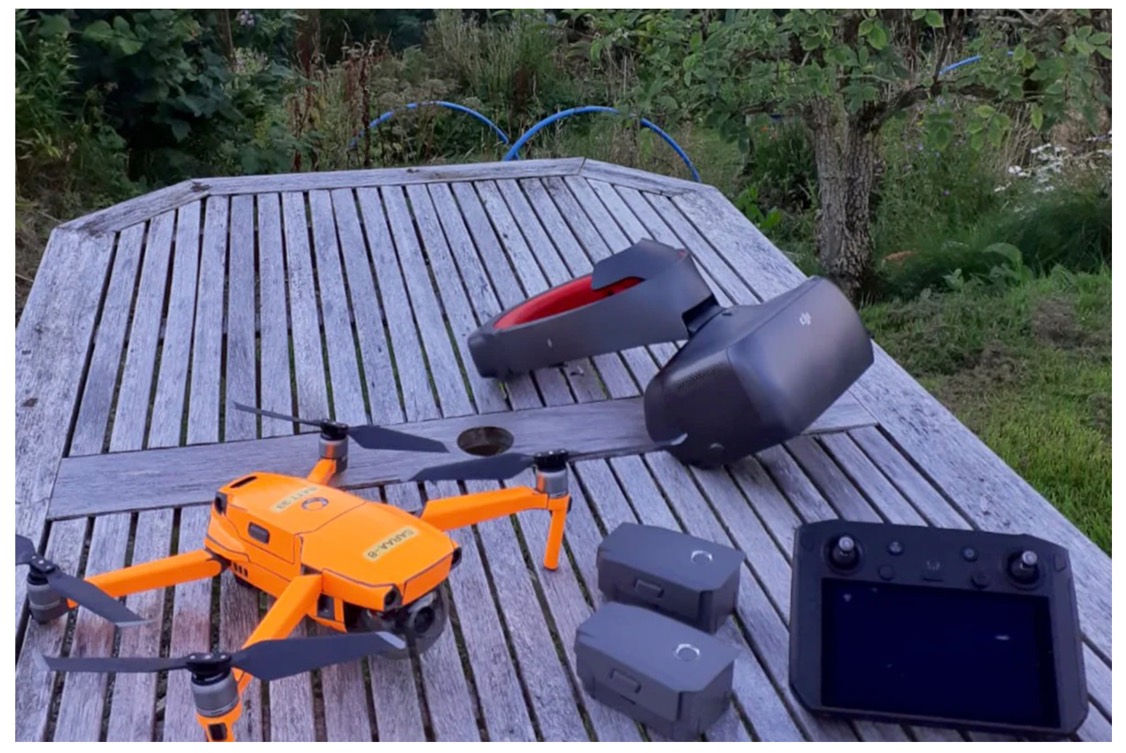
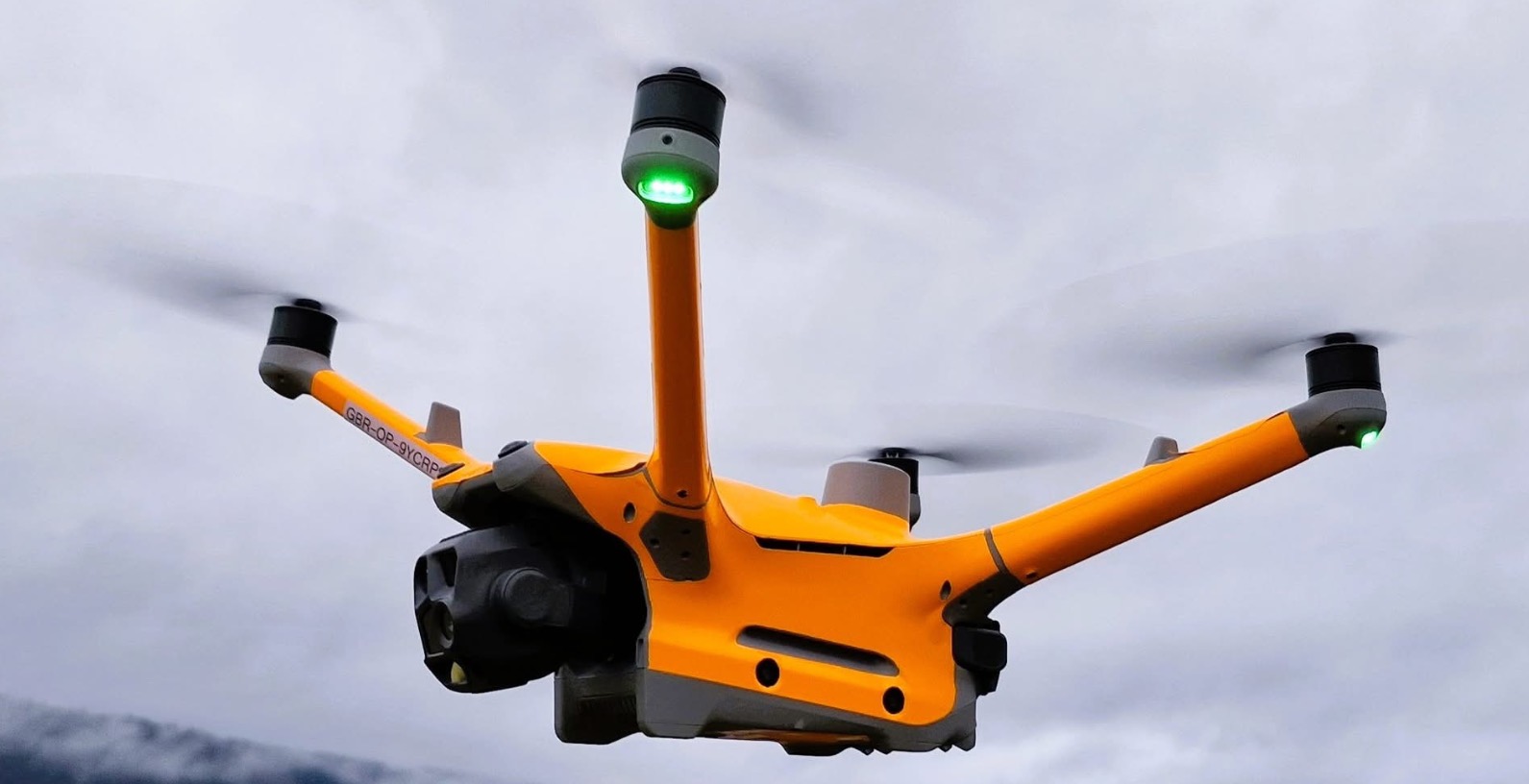
SARAA-Scotland consolidated its drone fleet and developed tactics using more modern drones with range-finding lasers, thermal cameras, high-zoom optics, embedded detection, and post-flight analysis to double-check for anomalies that could be a casualty.
Sensor capabilities
- Laser range finder for rapid location determination
- Thermal camera to find heat sources
- Near-IR camera enabling night vision
- High-zoom optics to see detail at great distance
- Spotlight and loudspeaker payloads for communication
Weather resistance
The DJI M4TD is fully IP-rated, allowing flight in damp and wet conditions—critical for Scottish operations where weather can change rapidly.
Detection tools assist during flight and in post-flight analysis to identify anomalies that could be casualties, providing a second check on human observation.
Night operations
Full capability around the clock
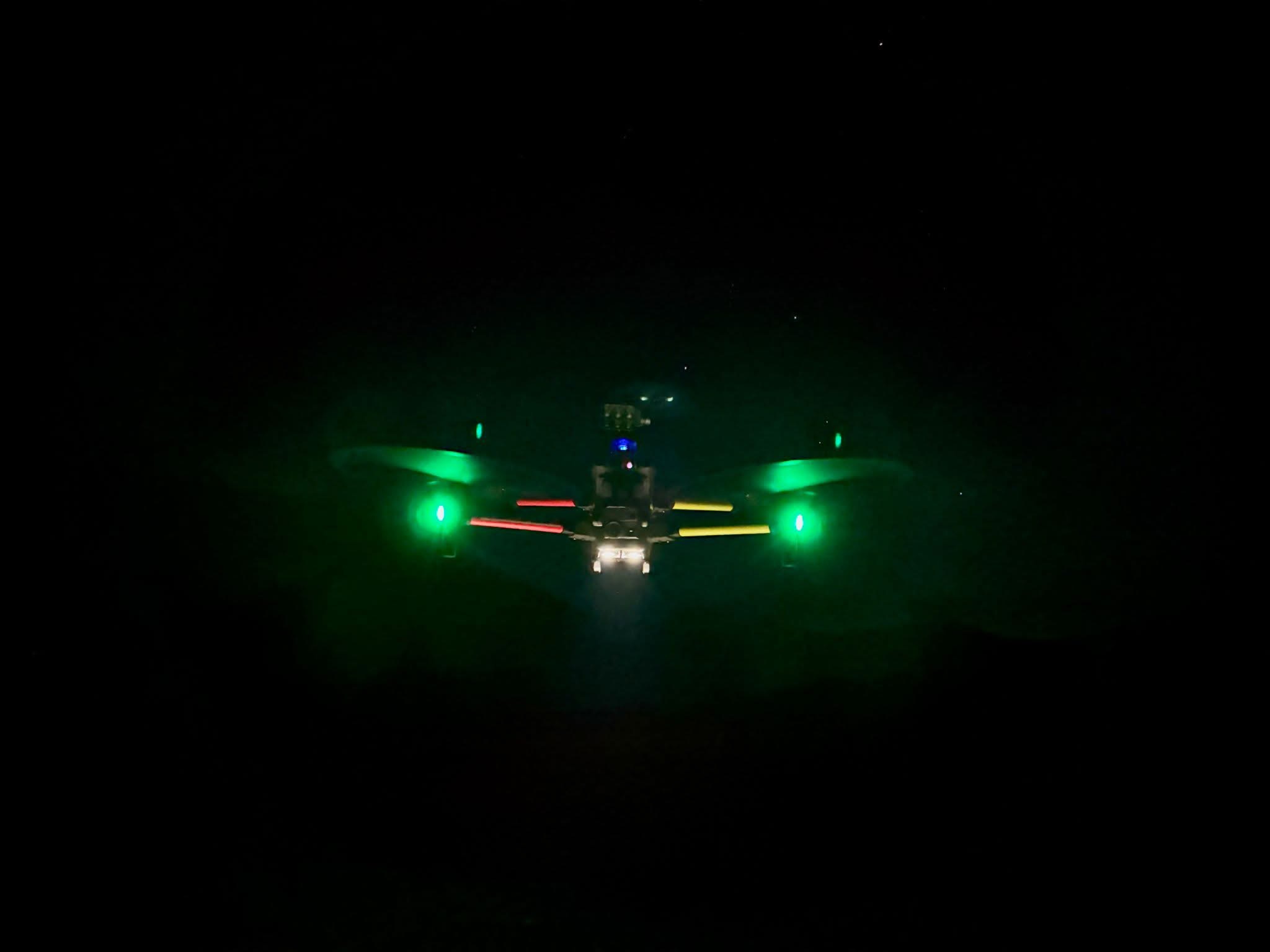
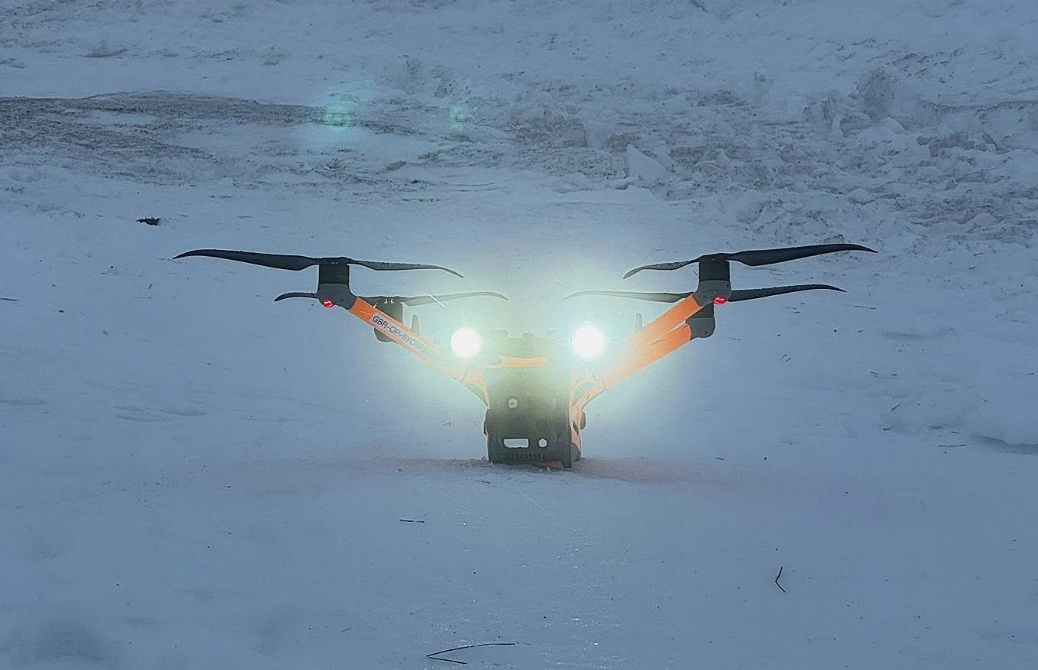
Whether used for a search or in a risk-reducing role such as floodlighting a technical rope rescue site at night, drones provide search and incident managers a view that was previously only achievable with a hugely expensive, and scarce, helicopter asset.
Training
Building capability
Continuous development
Training took place whenever aspirant pilots approached SARAA about joining the team. The focus was on developing knowledge and skills across as many areas as possible for both new and existing pilots.
The August 2022 Arrochar Alps training weekend exemplified this approach—pilots gathered to get hands-on experience and fly as many search areas as possible, helping to validate search techniques in realistic conditions.
Mountain rescue foundation
All pilots were part of the mountain rescue community first and foremost—that provided the baseline of hillcraft and experience.
Being a pilot was an additional skillset, like dog handlers and specialised medics. Drones and their pilots were used as an organic capability within a team when involved in a search operation.
Deployment
How SARAA was used
SARAA could be called out in its own right to support teams or Police Scotland who did not have a drone capability. Callouts ranged from high-risk missing persons to technical rescues requiring aerial reconnaissance.
The capability also extended beyond traditional mountain rescue—SARAA provided aerial overview for hill fires supporting Scottish Fire and Rescue Service, and assisted with flood monitoring during severe weather events.
Growth
By the numbers
25
Active pilots
7
Pilots in training
9
SARAA drones
37
Callouts (2025)
614
Volunteer hours (2025)
All
Scotland coverage
Note: Some individual MR teams also have their own drones in addition to SARAA-Scotland's fleet.